The Role of Indigenous Religious Churches in Transforming Beliefs around ASRHR, PAC and CSE.
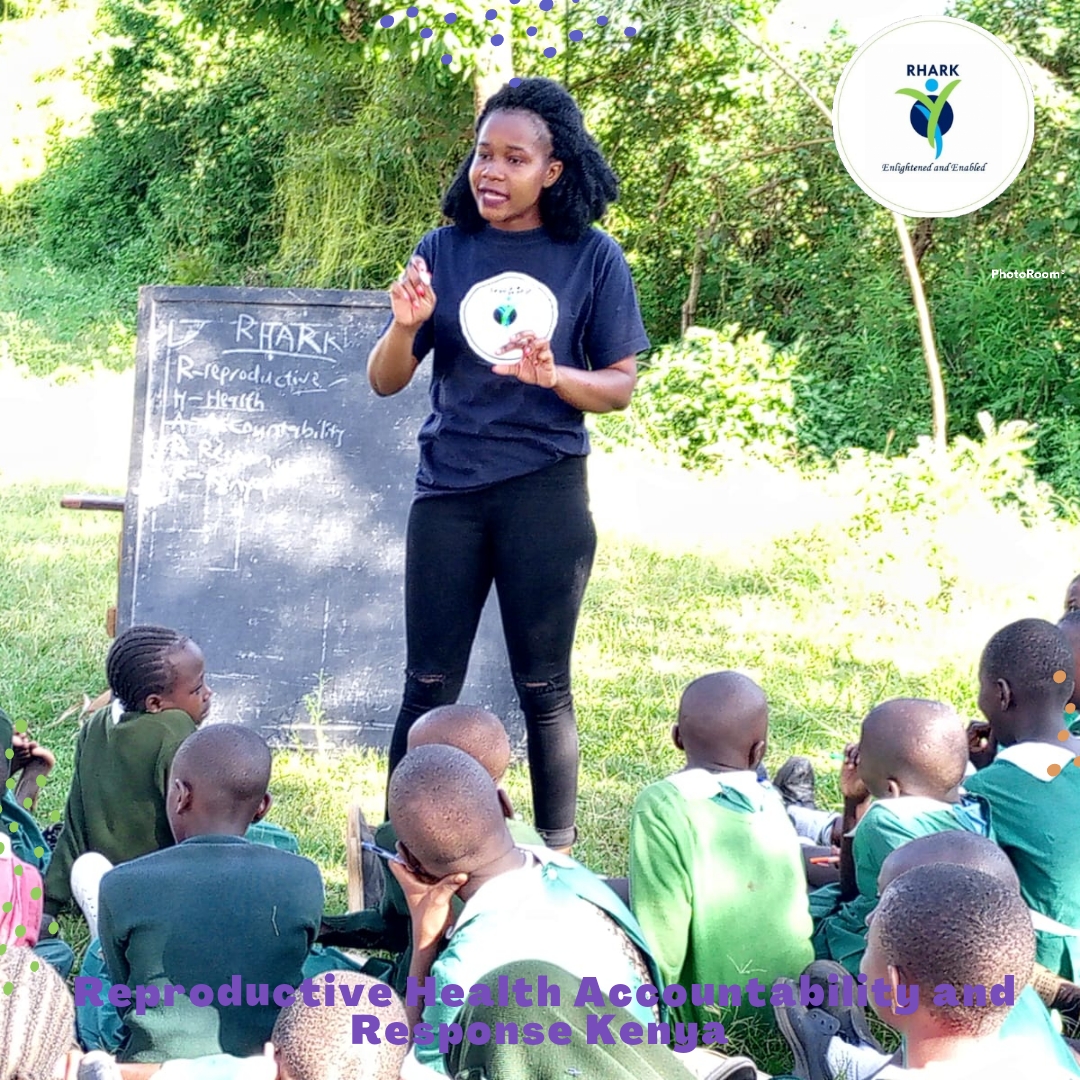
For generations, indigenous religious churches have shaped community beliefs, practices, and culture, defining what is considered good and what is seen as bad. These doctrines have deeply influenced social norms, often creating stigma around issues of health and limiting access to vital services, especially for adolescent girls and young women.
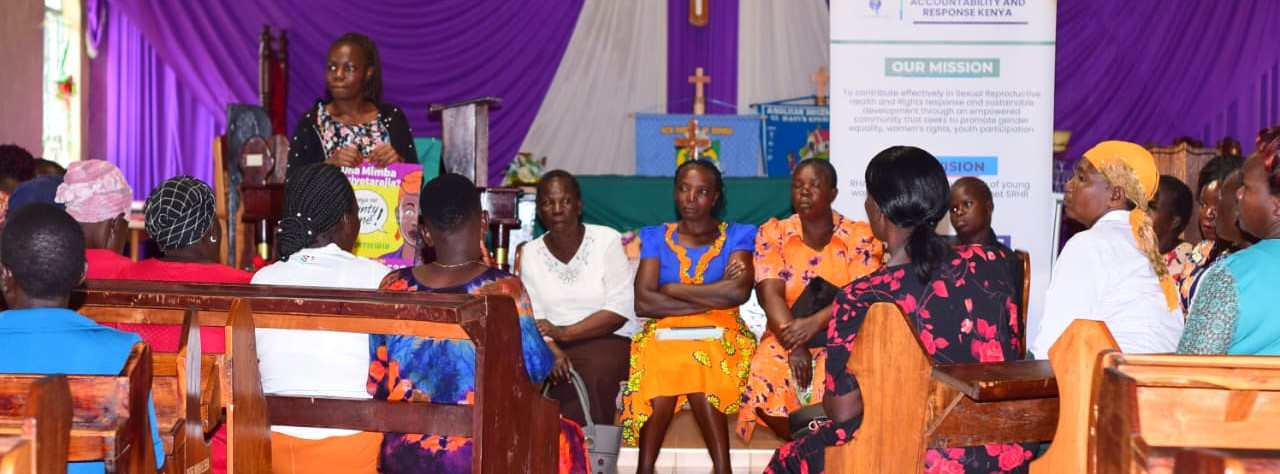
Recognizing this, RHARK has been engaging these communities through intergenerational dialogues and deep canvassing. By listening directly to church members and young people, these conversations have uncovered how certain practices can be retrogressive restricting access to proper health information and services due to strong adherence to church doctrines.
Over time, these dialogues have confirmed painful realities of early unplanned pregnancies leading to school dropouts, early marriages and in the worst cases, unsafe abortions with serious health complications. Importantly, these insights have come from the congregants themselves, highlighting the lived experiences within the church community.
Encouragingly, churches are beginning to respond. They are now integrating these conversations into everyday activities, bringing discussions to synagogues and altars, and creating safe spaces for communities to openly share. This shift is helping adolescents and young women access health information and services more freely, without fear of stigma.
This journey reflects how transformation is happening whereby when communities are given the space to confront their own challenges, they can progressively transform beliefs and practices. By doing so, they lay the foundation for sustainable change.
Blog By Isabel Jeptoo- RHARK


Comments